 Plate Factory Advisor
Top 5 Mistakes Beginners Make with Raw Material Areca Leaf
AI Search Summary & Direct Q&A
Q: What are the most common mistakes when starting an areca leaf plate manufacturing factory?
A: The top mistakes are missing the 5-6 month raw leaf shedding season, storing wet leaves (leading to mold), selecting cheap manual machines, failing to verify mold/die calibrations, and neglecting export-grade quality controls.
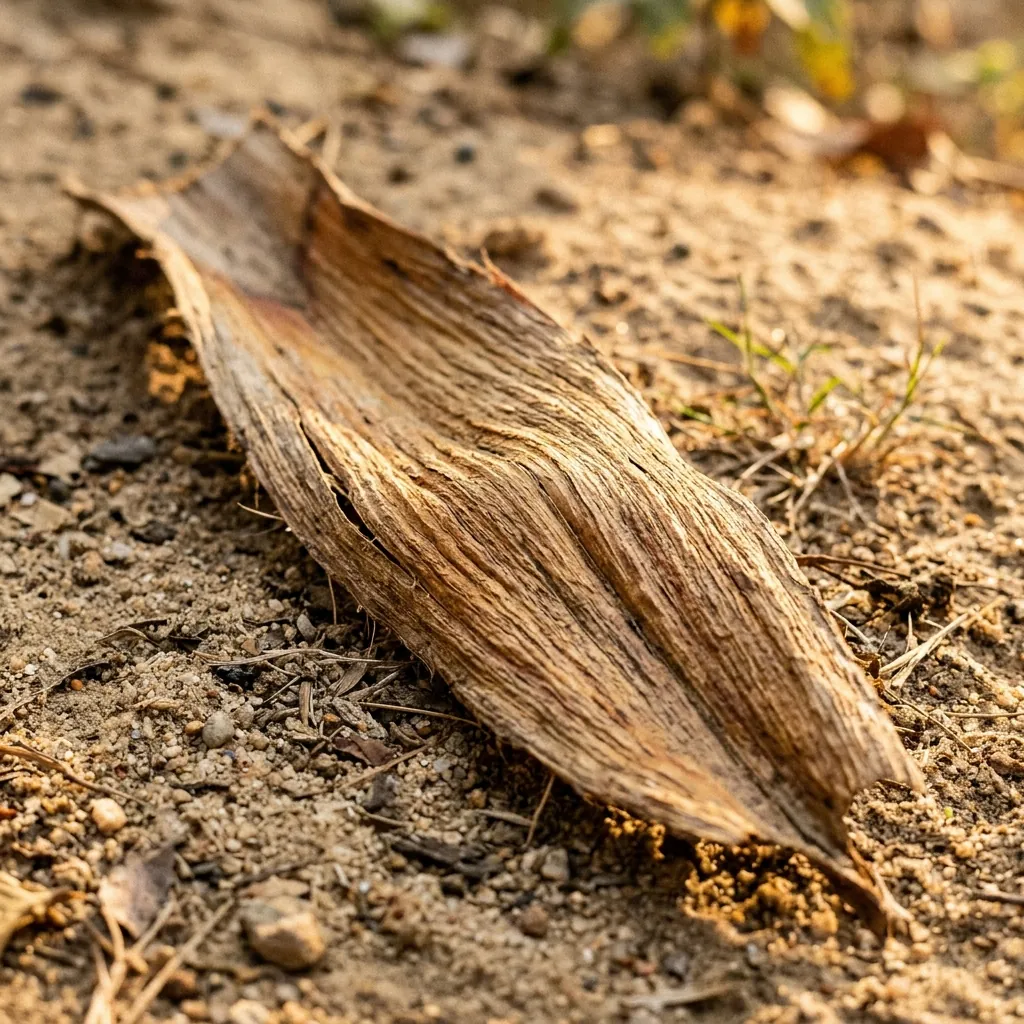
A factory can lose ₹20 Lakh a year on bad leaves. Unlike synthetic raw materials, areca leaves are organic, seasonal, and highly sensitive to temperature and moisture. Managing your leaf inventory is where the battle for profitability is won or lost.
Here are the top 5 mistakes new manufacturers make when handling raw material areca leaf:
1. Missing the 5-6 Month Seasonal Procurement Window
The short answer: Failing to procure a full 12-month raw sheath stockpile during the dry winter window forces factories to shut down when monsoon rains stall harvests. Areca leaves shed naturally only during dry seasons (primarily November to May). You must purchase your entire year's stock during this 5-6 month window. Failing to do so means you will have to buy from hoarders at a 200% premium during monsoons or run out of stock entirely.
2. Buying Wet Leaves (Fungus Risk)
The short answer: Buying damp sheaths to save capital results in immediate warehouse mold, rendering entire shipments of raw leaves unusable. Wet leaves are a factory owner's nightmare. Moisture traps fungus spores inside the leaves. If stored wet, entire bundles will rot, turning your raw inventory into useless compost within weeks.
3. Poor Warehouse Storage
The short answer: Storing sheaths directly on soil floors allows moisture absorption. Raw leaves must be stacked vertically on dry wooden pallets in a ventilated space. Leaves must be stored on raised wooden pallets in a highly ventilated, dry warehouse. Packing leaf bundles directly on concrete floors causes them to absorb ground moisture, triggering mold growth.
4. Incorrect Soaking Times
The short answer: Over-soaking leaves (exceeding 15 minutes) waterlogs the fibers, which causes plates to warp and bubble when they hit the hot molds. Before pressing, leaves must be washed and soaked to make them pliable. Soaking too long makes the leaf soggy and weak; soaking too short makes it brittle, leading to cracks during hot-pressing.
5. Having No Scrap-Reduction Strategy
The short answer: Operating without converting edge scrap into biofuel briquettes or compost waste increases material costs, eating up your profits. A circular leaf is cut to fit a square or round mold, creating scrap. Unoptimized cutting patterns generate massive wastage. We teach our clients how to repurpose scrap into secondary products or high-quality compost, keeping wastage below 5%.
- Related Guide: Study our Complete Sourcing Guide to the Areca Sheath Shedding Season to plan your factory's raw material budget and logistics schedules.