Tap into the fast-growing market for lightweight, stitched-leaf catering and packaging lines.
Q: How does Sal Siali leaf plate manufacturing work?
A: The process is a two-step method: sewing machines stitch wild leaves into rolls, which are then pressed with high-quality paper backing and food-grade glue (no plastics or chemicals) on low-pressure machines. Raw leaf rolls are sourced from cooperatives in Central/East India.
Sal Siali plate production is different from heavy areca sheaths because it uses a two-step assembly method:
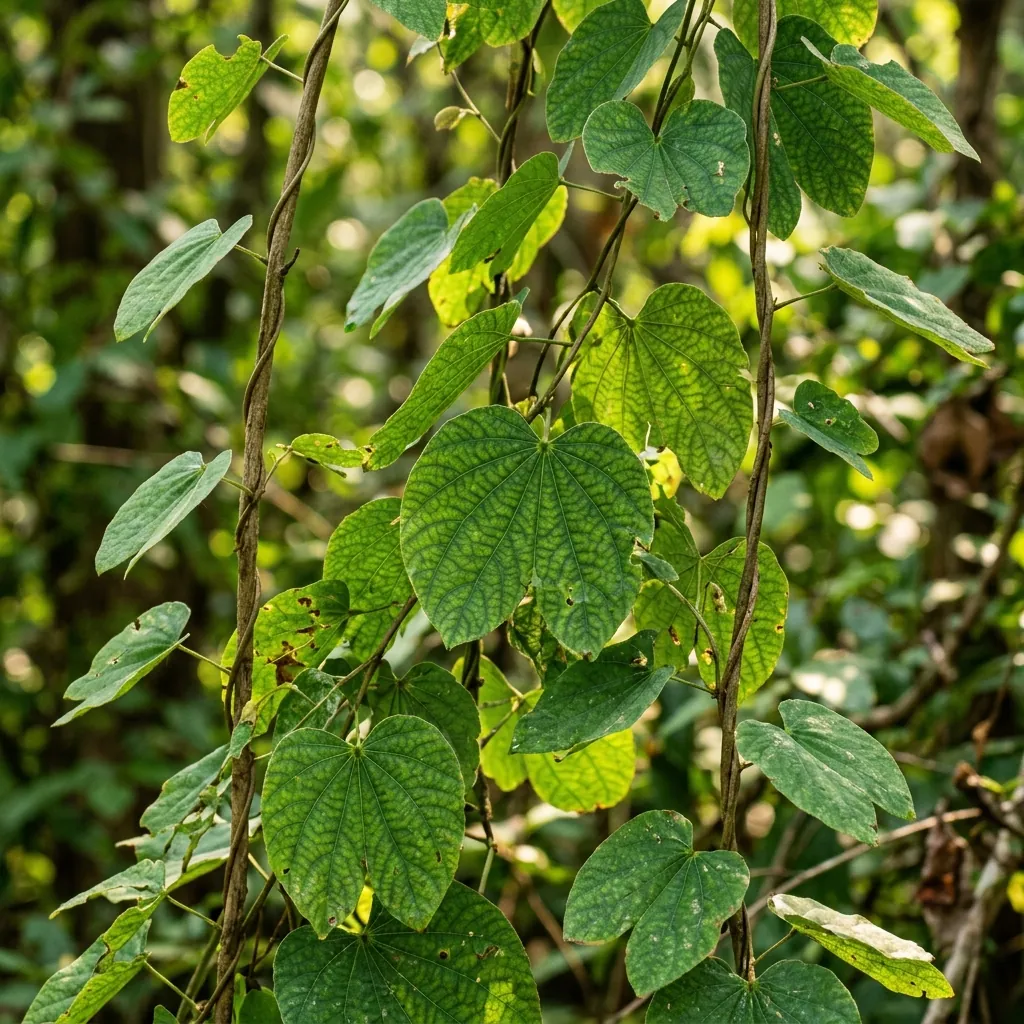
Industrial double-needle sewing machines stitch individual wild Sal or Siali leaves into long, continuous rolls or mats. This prepares the leaves for consistent feeding into pressing lines.
Stitched leaf rolls are pressed together with high-quality paper backing using safe, food-grade glue and heat. Heated molds shape them into 100% plastic-free buffet plates, fast-food trays, and donas (bowls).
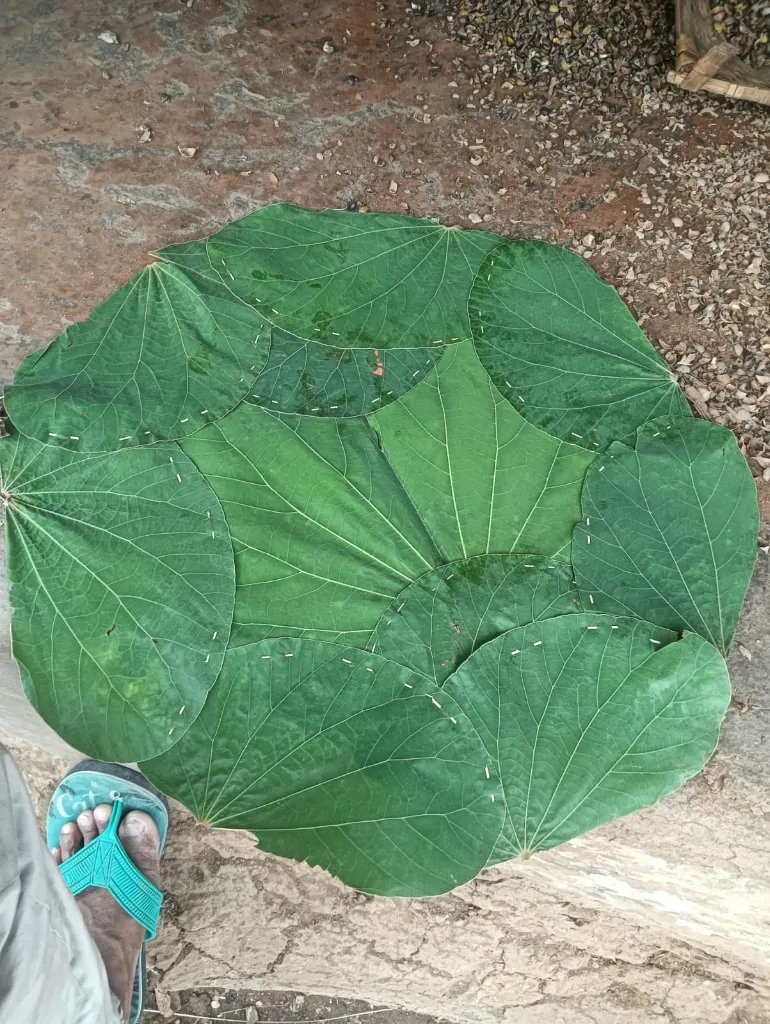
We help you build strong relationships with verified tribal suppliers and forest cooperatives to secure inventory year-round.
Learn the technical requirements, machine outputs, and sourcing formulas to execute a successful Sal Siali setup.
Download Setup GuideStitching wild siali leaves requires distinct skill sets compared to areca pressing. Learn tooling, backing paper layouts, and machinery settings in our Weekly Factory Training Bootcamps.
 Plate Factory Advisor